Find Richmond Neighbors by Block
Every source answers a different question. Start with one Richmond address, pin down its parcel, and collect the facts for each touching lot before you ask the public counter about owners. The map supplies geography and nothing more. The assessment roll gives ownership and a mailing address. A deed index names the parties to a recorded instrument, and a permit file ties work to an address. None of these is a household roster, so a resident lookup that stops at one record stays incomplete.
| Source | What It Shows About a Block | Access |
|---|---|---|
| CCMAP | Parcel edges, nearby lots, buildings, aerial and contour context, radius selection | Free online map |
| ParcelQuest Lite | APN, situs, lot and building facts, assessment values, map link | Free address or APN search |
| Assessment roll | Owner and tax mailing address, values, exemptions, roll data | Public counter or request |
| RecorderWorks | Transfers, liens, dates, and instrument identifiers for named parties | Free 1986-present index; copies ordered |
| Richmond permits | Applicant, contractor, work description, dates, and status | Online May 1998-present; older request |
| Neighborhood Councils | Public area contacts and meeting information | City directory, not a member roll |
Select Parcels Near Richmond Addresses
Start the physical block at the county's CCMAP and property-tools gateway. Enter an address or an APN, zoom in, click the parcel, and open its information panel. Parcel lines reveal touching lots. A neighboring lot may carry a different street name. Aerial and contour layers explain rear parcels, corner lots, shoreline land, and rights-of-way.
Save your work in the right order. Record each APN and situs value first, then use the map's parcel selection or a modest radius around the subject parcel. Adjacent polygons are a geographic fact. They never prove that a person occupies either lot. A Richmond resident lookup grows stronger when every later record, from the street directory to the property rolls, traces back to the APN, lot, or legal description rather than a similar street number.
Note: A parcel without a street address may need an APN search, especially where vacant, shoreline, or industrial land breaks the street pattern.
Use Radius Search With Care
CCMAP also offers radius selection. Set a modest distance from the subject parcel. Inspect the selected set and record the APN and situs for each result. The county documents a paid radius search at $50. The online map supplies the same capability for free. The two routes may not return the same view, so retain the search distance, the date, and the result list.
A radius has edges of its own. It can cross a road, a creek, a rail line, or a city boundary without warning. Measure the map result, then check each parcel outline. A visual cluster is not a list of Richmond neighbors. The map shows what lies near the parcel, not which adults occupy a unit, whether an owner gets mail there, or whether a protected resident's details belong in a directory at all.
- Parcel
- A county land unit identified by an APN, with its own map and assessment trail.
- Radius
- A distance-based parcel selection around a chosen map point or parcel.
- Situs
- The physical location of the parcel, which may differ from a tax mailing address.
- APN
- The assessor parcel number used to join map, assessment, and property details.
Richmond Owner Records Need a Counter Step
ParcelQuest Lite takes an APN or street address. It returns lot area, building size, assessed land and improvement values, and a parcel-map link. Owner names are left out on purpose. The official ParcelQuest launch page and the county property-tools page explain that asymmetry. A blank owner field online is not a blank roll. The roll may still hold a full owner entry.
Take your saved APNs to the Assessor counter. A properly framed request for the needed roll fields works too. A mailing address marks the tax bill's destination. Treat any owner name as a lead into the RecorderWorks name index, never as a household conclusion. Deeds and liens name parties to instruments, not every renter, relative, or visitor on the block.
Nearby Richmond Permits Add Dates
City permits give a block its timeline. Building, code-enforcement, and engineering files all add dates. Richmond's online permit access starts in May 1998. A result may carry the job address, applicant or contractor, scope, issue and final dates, parcel, valuation, or case status. That dates a porch, addition, or repair. An applicant is not necessarily a resident.
Older addresses need extra digging. Ask the Building Division or City Clerk for an archived permit card by exact address, APN, owner at the time, and approximate date. The city's NextRequest route asks for a record description, not a broad question. Plans may face copyright or security limits, and exempt portions can come back redacted. A block history reads strongest when a permit date sits beside a map, deed, directory entry, or newspaper event.
Richmond Neighbor Voter Limits
Voter records have a tight lid. California My Voter Status serves only the voter who signs in with a name, full date of birth, and a driver license, ID number, or last four digits of a Social Security number. The tool then shows that person's registration status, party preference, polling place, and vote-by-mail or provisional status. It is not a public Richmond residents directory. No street browsing is possible.
Elections Code section 2194 opens a narrow side door. Election, scholarly, journalistic, political, and governmental requestors may seek voter information with a stated purpose and agreed use limits. Government Code section 7924.000 keeps home street addresses, phone numbers, emails, identifiers, prior registration details, and signatures confidential from ordinary disclosure. Safe at Home participants get confidential registration. That shield protects people, not records. A missing voter result proves nothing about who occupies a Richmond address.
Richmond Neighborhood Councils Add Community Context
Neighborhood councils give a Richmond residents directory lookup its community context. The City of Richmond Neighborhood Councils directory lists public contacts. It also posts meeting details and recognized area names. It does not publish a membership roster. It also cannot prove that any particular person belongs to a council. Treat a council label as geography only after checking the live city inventory and boundaries.
| Public community layer | Examples in Richmond | What it can support |
|---|---|---|
| Neighborhood council area | Atchison Village, Central Richmond, Point Richmond, Richmond Annex | Public contact and meeting route |
| Neighborhood council area | North & East, Iron Triangle, Marina Bay, Santa Fe | Area context to verify against the city list |
| Neighborhood council area | Fairmede-Hilltop, Parchester Village, Shields-Reid, Southwest Annex | Community geography, not a resident directory |
Rosters for congregations, clubs, block watches, and households stay private. An organization can publish an official contact list if it wants to, but most do not. A public meeting notice proves a group exists, yet it says nothing about who lives on a nearby parcel.
Postal Labels and Richmond Boundaries
A postal label, a city limit, and a neighborhood council line all meet in Richmond. Each one makes a different claim. North Richmond sits outside the city even though it carries Richmond postal geography. Richmond Annex hugs the southern edge near El Cerrito and Albany. ZIP 94806 also reaches San Pablo, Tara Hills, and other county territory. Verify the parcel, the jurisdiction, and the ZIP before trusting any one label.
The split matters for neighbor lookups. USPS routing says where mail goes. CCMAP and the Assessor say which parcel a lot belongs to. Permits follow city jurisdiction, while county systems stretch over a wider area. An address can sit two doors apart on a map yet land in different services. A residents directory entry may then point to a different council district entirely.
Geography check. Keep the APN, situs, USPS city line, ZIP, and neighborhood name as separate fields until the county or city source confirms how they relate.
Privacy Limits for Richmond Neighbors
Public property and map data support lawful block research in Richmond. But a residents directory should never become a tool for watching people. Renters, household members, utility accounts, delivery logs, DMV files, protected voters, sealed cases, and confidential vital records are not ordinary neighbor data. California privacy law also grants qualifying people rights over certain commercial data. Each custodian still controls its own record and redaction rules.
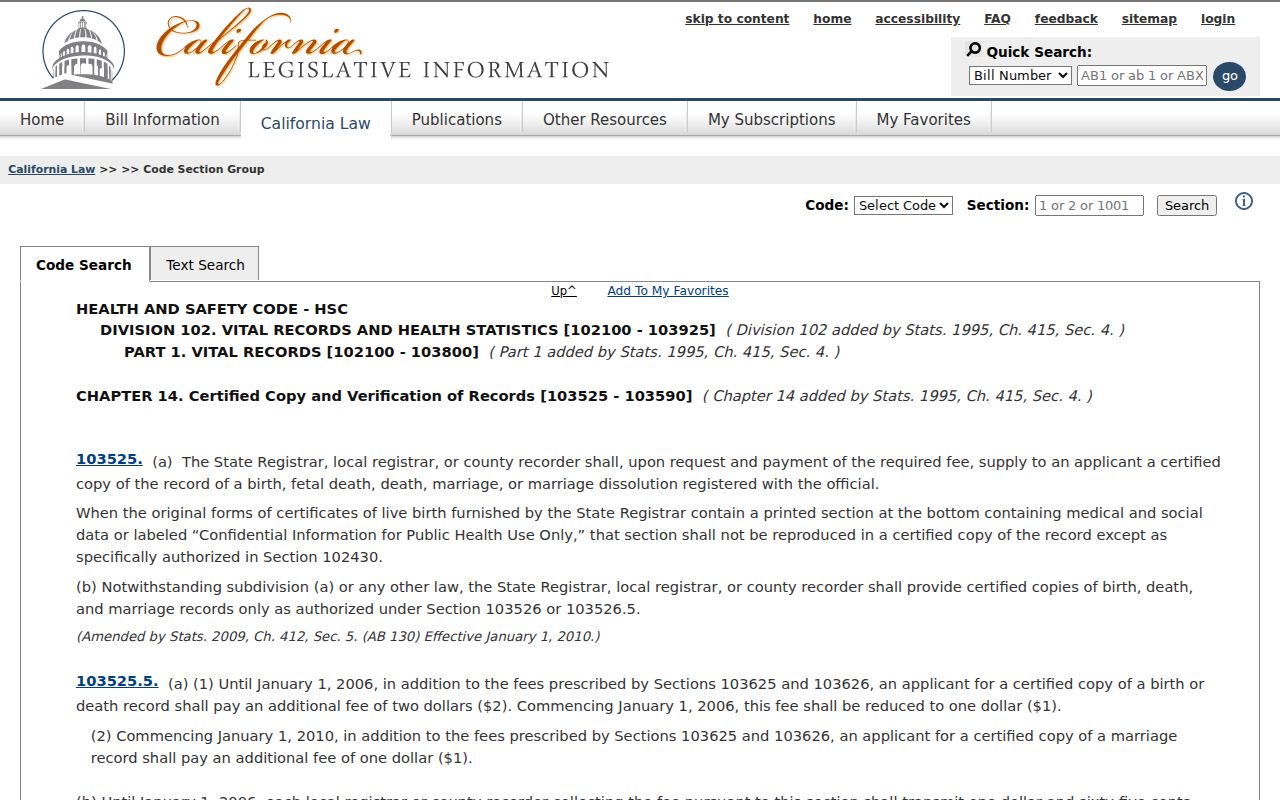
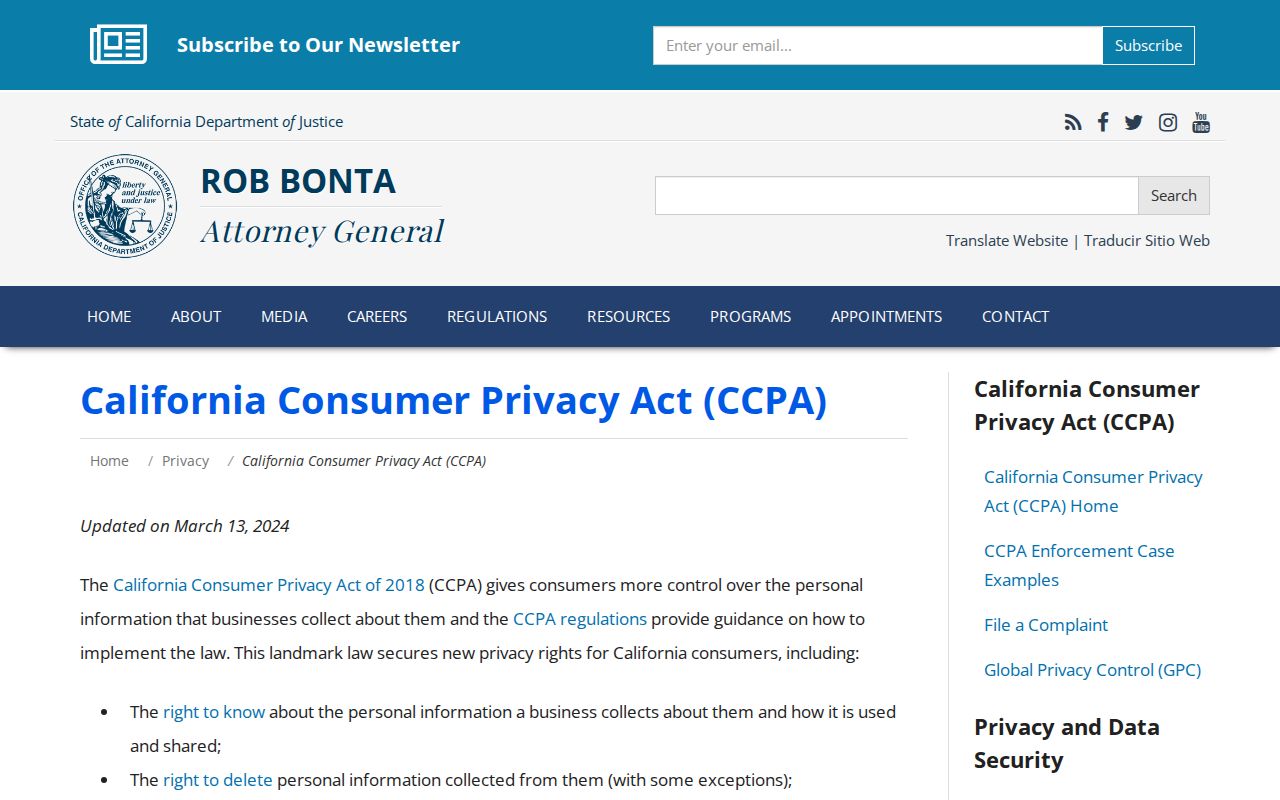
The California Attorney General privacy guidance lays out consumer rights and data-broker deletion routes. For vital records, the California Health and Safety Code separates authorized copies from informational ones. It also keeps some records confidential. Both rules argue for stopping at the least revealing source that answers your question.
A safe workflow runs address first, parcel second, custodian third. A person's name comes last. Only a lawful purpose ties it to a reliable record. Never use a map, property roll, or resident lookup to stalk, harass, or harm anyone.
Official rolls carry a custodian, a date, and an access rule. Commercial compilations can merge same-name people, lag on corrections, and charge for incomplete material. When the fact matters, lean on a named county, city, court, library, or state records office.
Note: A public owner entry can support a title question, but it cannot establish present occupancy or the identity of every person in a Richmond household.
To trace an entire named street rather than one block, take the Richmond Street Directory route. It keeps the address chain and street-browse method together in one place.
Lawful use. Richmond neighbors research is for personal, family, civic, and safety-aware purposes. Public information is not permission to track, threaten, or interfere with anyone.
The California Attorney General privacy resource is the source behind the consumer-privacy image below.
The California Health and Safety Code supplies the vital-record statute reference shown here.