
Richmond Previous Residents Sources
An address history has two different stories. The deed chain follows legal ownership, while directories, census schedules, permits, newspapers, and probate can show people tied to the place. Richmond research works best when those tracks stay side by side. Start with a source that matches the era, then use a second record to test the name, date, parcel, or family link. A current tax mailing address is not proof of occupancy, and a directory entry is not proof of title.
| Source | Years It Covers | Where Held | What It Shows |
|---|---|---|---|
| Recorded-document name index | 1986-present | RecorderWorks online | Transfers, liens, dates, instrument numbers, copy options |
| Grantor/grantee indexes and deed books | Pre-1986 | Contra Costa Clerk-Recorder in Martinez | Earlier title chain and legal descriptions |
| Richmond city directories | Dating from 1907 | Museum and library collections | Adult names, addresses, occupations, and some spouses |
| Federal census | 1790-1950 public releases | Federal census databases | Household relationships, ages, birthplaces, and address clues |
| Richmond permit and code records | May 1998-present online | City of Richmond; older cards by request | Projects, applicants, dates, status, and parcel references |
| Historic and Sanborn maps | Sheet dates vary | LOC, CCCHS, and library collections | Footprints, uses, street forms, and neighborhood change |
| Obituaries and probate | Runs vary by source | Museum, library, CCCHS, and court records | Death notices, relatives, legal notices, and heirs |
Use the deed index for modern ownership, cumulative books for older title, and Richmond directories for adult occupants. Census pages fill household gaps. Permits and maps place events in the right structure. Obituaries and probate can end a trail, but neither alone proves occupancy.
The Contra Costa County Historical Society collections describe the tax books, historic court and probate files, maps, and newspapers that can extend a Richmond address history beyond online indexes.
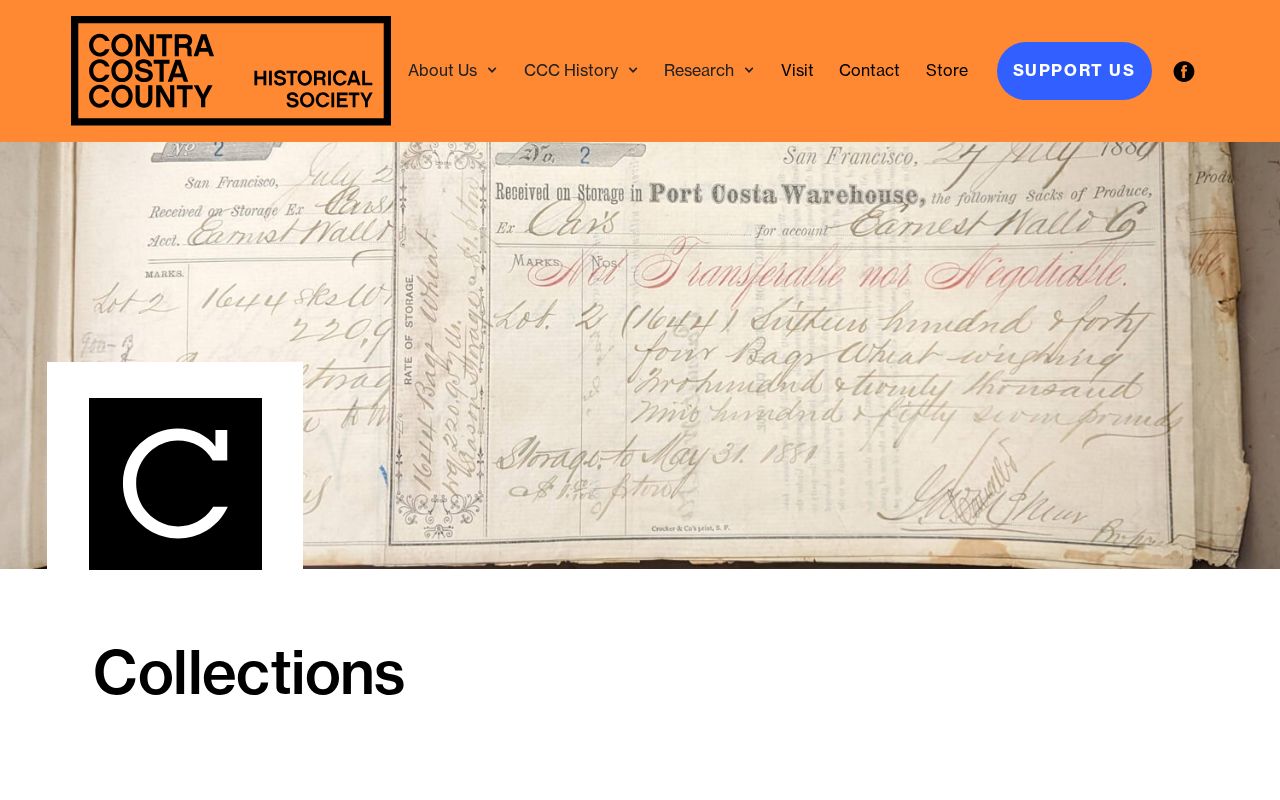
Physical indexes matter when a Richmond name, parcel, or case is absent from a modern search and the older record still exists on a shelf.
Trace Richmond Previous Residents by Deed
Start with the current APN, or assessor parcel number. The county gateway leads to ParcelQuest Lite and CCMAP, where an address or APN can reveal the situs, parcel shape, map, area, and building details. Richmond owner names are left out of the web parcel tools. The public assessment roll is a separate Assessor-counter channel. A tax mailing address is not the Richmond situs and does not establish who occupied it.
Once the current vesting owner is known, move from buyer to seller. The buyer is the grantee on the acquisition deed. The seller is the grantor, then becomes the next grantee to search. Legal description and document number keep the chain on the right parcel when a name is common.
Process flow: Richmond address → APN → assessment-roll owner → current deed → seller/grantor → earlier grantee → prior deed → directory and census match.
- Search the Richmond address in Contra Costa property tools and save the APN, situs, parcel map, subdivision, lot, and block.
- Open CCMAP, select the parcel, and note adjoining parcels and legal-description clues.
- Use the public assessment roll at the Contra Costa Assessor counter or by request for the vesting owner and mailing address.
- Search that owner in RecorderWorks and verify the acquisition deed’s legal description and instrument number.
- Read the seller or grantor, then search that party as grantee with spelling and entity variants.
- Repeat through the online boundary, then move to cumulative indexes and deed books in Martinez.
- Grantor / grantee
- The grantor transfers an interest; the grantee receives it. In a sale, they are the seller and buyer.
- Chain of title
- The linked sequence of recorded transfers connecting a present holder to earlier holders of one parcel.
- Legal description
- The formal deed description that can outlast a changed street number, city label, or name spelling.
- Criss-cross directory
- A reverse directory arranged by street and house number, so an address leads to an adult name.
Insider tip. When a Richmond seller has a common name, trust the legal description and lot-block link before trusting a surname match.
Richmond Previous Residents and the 1986 Cutoff
RecorderWorks is a party-name index for recorded documents from 1986 to the present. Search an individual or business name, document type, date range, or known number. Results group deeds, deeds of trust, reconveyances, liens, notices, and maps. The free index is separate from ordering a copy.
The 1986 date marks the online boundary, not the start of Contra Costa deed records. For an older Richmond transfer, use cumulative grantor/grantee indexes and deed books at the Clerk-Recorder office in Martinez. Search both roles, try name variants, and carry forward the book, page, legal description, and APN. The county’s recorder search guidance separates an index hit from a copy request.
Richmond Records Need Legal Descriptions
Street addresses are good starts but weak historic keys. A parcel may have a corner location, rear lot, subdivision change, or postal city line that differs from its government jurisdiction. A deed’s legal description, APN, subdivision, lot, and block let a Richmond researcher test whether two records describe the same land.
Do not force a guessed citywide street-renumbering year into the chain. Compare the old number with the Richmond street-index map, parcel outline, lot-block wording, and deed description. Annexation or redevelopment can change an address form while the parcel clue stays stable. North Richmond is unincorporated despite its Richmond postal label, and Richmond Annex adds another boundary check.
Note: A Richmond postal label, city parcel, and neighborhood name are separate geographic claims, so check each boundary before joining records.
Richmond Previous Residents Meet Census Years
Directories answer an address question at the adult-name level. The Richmond Museum holds city directories dating from 1907, and the Richmond Public Library local-history service links directories, yearbooks, newspapers, and North Richmond images. Entries can give an address, occupation, spouse notation, initials, or street-section entry. The Richmond directory book explains the shelf and its entry conventions.
Federal census schedules add household relationships, ages, birthplaces, and immigration clues. Releases through 1950 are public under the 72-year rule. A census is a checkpoint, not a full list of everyone at a house. A directory may catch an adult between census dates, while a census may show children or relatives a directory omits.
- Choose a Richmond address and directory year, then record the street form as printed.
- Read the alphabetic entry and street or criss-cross section when both exist.
- Copy initials, spouse notation, occupation, house number, and cross-street clues.
- Pair the result with the closest released census, comparing 1910, 1920, 1930, 1940, and 1950 when dates fit.
- If a name disappears, test newspapers, probate, deeds, and alternate initials before deciding the household moved.
Richmond's 1907 Resident Directories
Richmond’s directory shelf starts in 1907, yearbooks reach 1909, and local newspaper runs begin in the 1910s. Those overlaps make a useful timeline for former households. The Richmond Museum holds directories, maps, photographs, oral histories, and a nearly complete Richmond Union High School yearbook run. Its research room is open Thursday through Sunday, 1 to 4 p.m., by appointment.
The library adds the Richmond Record Herald from August 1913 through June 1936 and digitized school material. The Museum’s Richmond Independent run covers 1912 through 1945. A 1940s directory name can be checked against a newspaper notice, yearbook, or oral-history lead before it is joined to a deed.
Richmond’s rail, port, refinery, Ford, and Kaiser shipyard growth changed the household mix. Thin early and fuller wartime volumes are different snapshots, not proof an address was empty.
Richmond Permit Records Start in May 1998
Richmond’s online building, code-enforcement, and engineering permit material begins in May 1998. An address search can connect a physical change to an applicant, project description, dates, status, parcel, and valuation when present. These records can explain a new structure or code case while a deed chain explains title.
For an older Richmond permit card, ask the Building Division or City Clerk with the exact address, APN, owner at the time, and approximate date. The city’s NextRequest portal accepts a record description, department category, optional attachment, and contact details. A CPRA request normally receives an initial determination within 10 calendar days, with up to 14 extra days for unusual circumstances. That timetable does not promise an old card exists.
Note: Online permit coverage begins in May 1998, but that cutoff does not mean earlier Richmond permit files were destroyed.
Richmond Previous Residents Need Historic Maps
Historic and Sanborn maps can show a footprint, use, lot pattern, street name, or house number that reconciles a directory with a deed. The Library of Congress Sanborn map collection supports browsing by California and Richmond, but sheet dates should be checked in the catalog. CCCHS holdings add county maps, while the digitized Richmond street-index map offers a local address bridge.
Compare each map with the APN, lot and block, subdivision wording, and deed description. A changed street number does not break a chain by itself. A rear parcel, former industrial tract, or Richmond Annex boundary can make a map look inconsistent even when the land record is sound. A map shows place and form, not who occupied a room.
For the current address-to-parcel step before moving backward, the Richmond Street Directory keeps the modern APN and address record path separate from the historic household trail.
Richmond Previous Residents Reach Legal Endpoints
When a directory entry changes to “wid” or disappears, an obituary, probate index, cemetery record, or clipping can explain the next step. CCCHS indexes probate by decedent and holds physical court indexes; the library and Museum preserve Richmond newspapers. Test an obituary’s relatives, dates, and last address against a deed, census, or probate record. A notice can name family without proving occupancy.
The retired Contra Costa court record-of-actions guidance shows why a public case hit is only an index trail. It may identify case number, caption, parties, filings, hearings, and status, while minutes, orders, documents, and some party details stay offline.
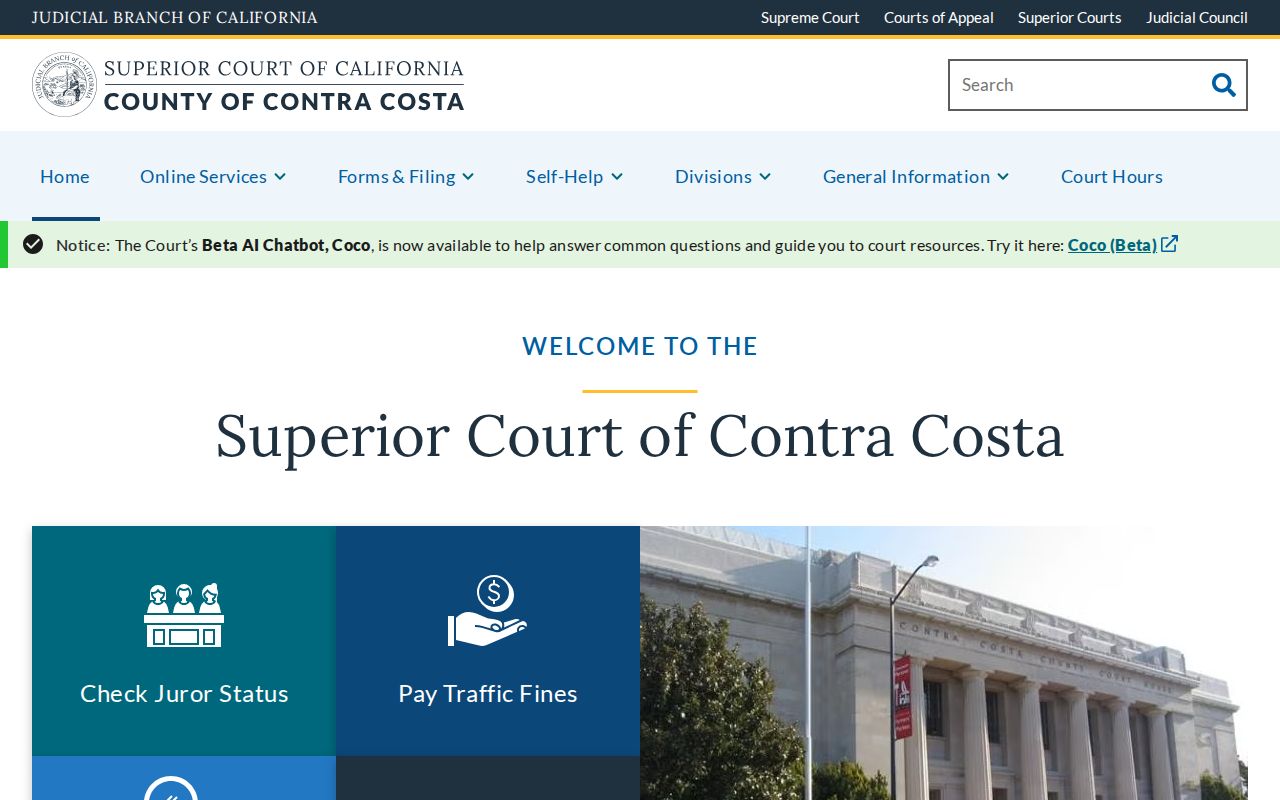
Use the Court Records counter or mail process for a file or copy request when the index points to a relevant case. Sealed, confidential, juvenile, adoption, and protected family matters may be absent or limited.
For a federal Richmond matter, the PACER service is the official route to Northern District of California dockets and documents. It is a separate federal trail, so a missing county result says little about federal records.
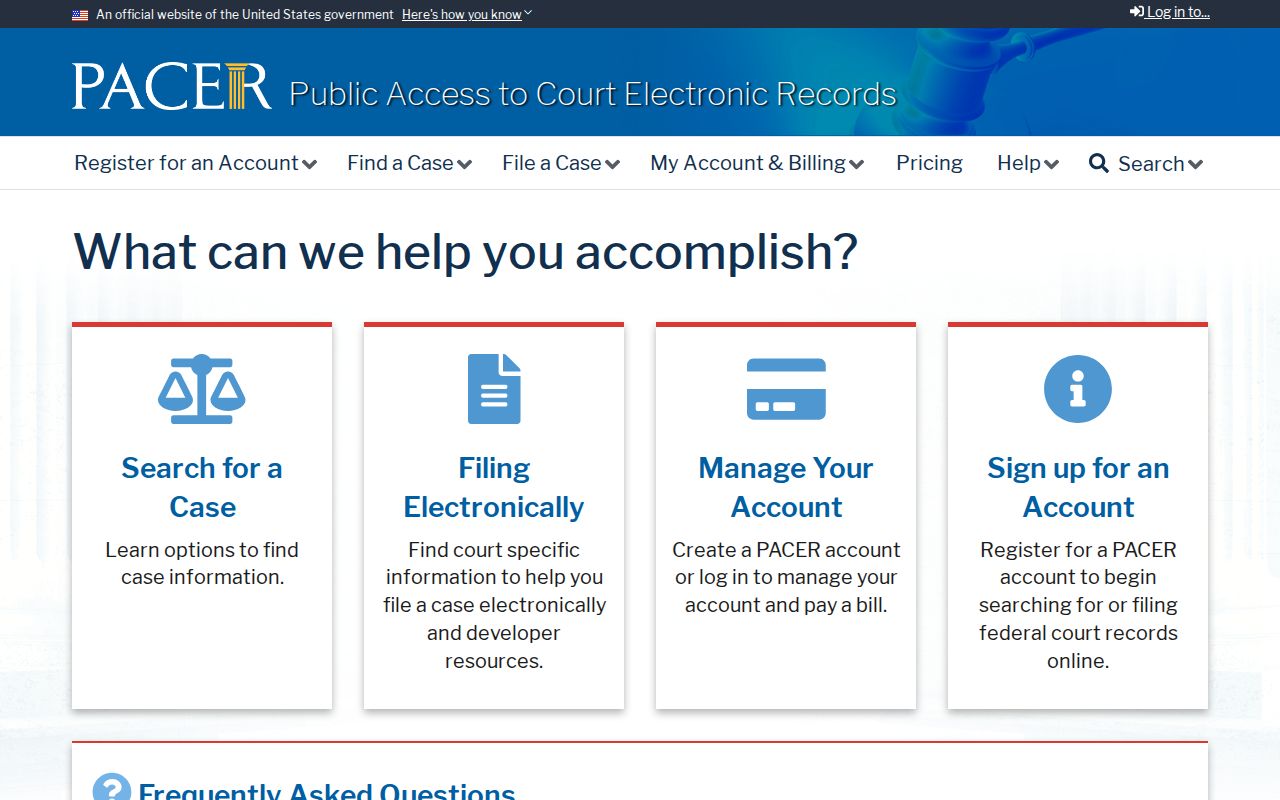
Federal and county dockets can end a search, but neither proves a current residence from an old filing.
Richmond House History for Previous Residents
A lawful Richmond house history studies a parcel, its recorded transfers, documented occupants, and family or civic links. Probate and obituary work can reconnect heirs with property or unclaimed assets. Directory and census pairing can add context to a restoration project or family story. The goal is to understand a place across time, not make an old address a claim about a living person.
Keep a log with the record date, exact name, APN, legal description, case or document number, and reason two records appear to match. Treat gaps as gaps. Safe at Home participants, confidential voters, sealed cases, adoption files, and restricted vital records may be absent by design. Correct errors with the custodian that created the record.
Lawful use. Richmond previous-resident research is for house history, family history, heir work, property curiosity, and civic research. Do not use records to stalk, harass, threaten, or track a living person, and respect every protected or sealed record.